
Why Permits and Codes Matter for Minnesota Sunrooms
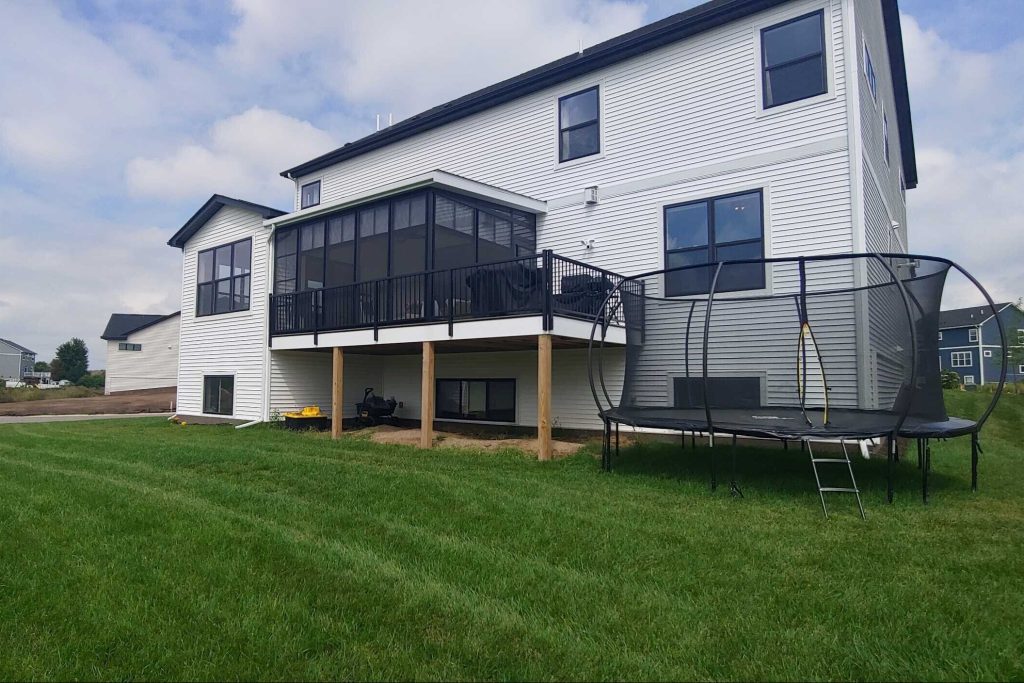
Building a sunroom in Minnesota is not just a design decision; it is also a regulated construction project. Local building codes and permitting requirements exist to ensure safety, structural integrity, and long-term performance. Understanding these requirements before construction begins helps homeowners avoid delays, unexpected costs, and potential compliance issues.
Permits also protect homeowners by ensuring the sunroom meets standards that support resale value and insurance coverage.
How Sunroom Permits Work in Minnesota
Permit requirements vary by city, county, and type of sunroom. A 3-season porch may fall under different regulations than a fully insulated 4-season sunroom, especially when the addition connects to heating systems or increases livable square footage.
Most municipalities require plans to be reviewed before construction begins. Inspections typically occur at multiple stages to confirm that the structure meets local codes.
Common Code Requirements for Sunrooms
While requirements differ by location, Minnesota sunrooms are generally evaluated on several core criteria:
- Structural support and proper footing depth for frost conditions
- Roof design and snow load capacity
- Energy efficiency standards for insulated sunrooms
- Electrical, heating, and ventilation compliance when applicable
These requirements exist because Minnesota weather places significant stress on exterior additions.
Zoning and Property Line Considerations
In addition to building codes, zoning regulations often affect sunroom projects. Setback rules, lot coverage limits, and neighborhood guidelines can influence where and how large a sunroom can be built.
Failing to account for zoning restrictions can result in redesigns or denied permits. This is one of the most common issues homeowners face when attempting to manage the process on their own.
Why DIY Permitting Often Causes Delays
Many homeowners underestimate how complex the permitting process can be. Incomplete plans, missing documentation, or misunderstandings about local requirements frequently lead to delays.
Without professional guidance, homeowners may face multiple revisions or extended review periods. This can push projects back weeks or even months, especially during peak construction seasons in Minnesota.
How Professional Builders Simplify the Process
Working with an experienced sunroom contractor removes much of the uncertainty from permitting and compliance. Professional builders understand how local codes are applied and what inspectors expect to see.
Signature Sunrooms manages the permitting process on behalf of Minnesota homeowners, coordinating plans, submissions, and inspections. This approach reduces stress and keeps projects moving efficiently.
Protecting Long-Term Value and Safety
Code-compliant sunrooms perform better over time. Proper structural support, insulation, and system integration all contribute to durability and safety, especially in Minnesota’s harsh climate.
Permits also ensure that future buyers, lenders, and insurance providers recognize the addition as a legitimate improvement to the home.
Build With Confidence in Minnesota
Understanding permits and building codes is an important step in any sunroom project. While the process may seem overwhelming, it becomes much simpler with the right team involved.
Signature Sunrooms helps Minnesota homeowners navigate local requirements while delivering sunrooms that meet code, perform well, and add lasting value. With professional guidance, homeowners can focus on design and enjoyment instead of paperwork and approvals.