
Even the best Low-E glazing has limits. On a bright July afternoon with the sun low and direct, a sunroom can still run hot and that’s where awnings and shade products come in, not as an alternative to good glass, but as a complement to it.
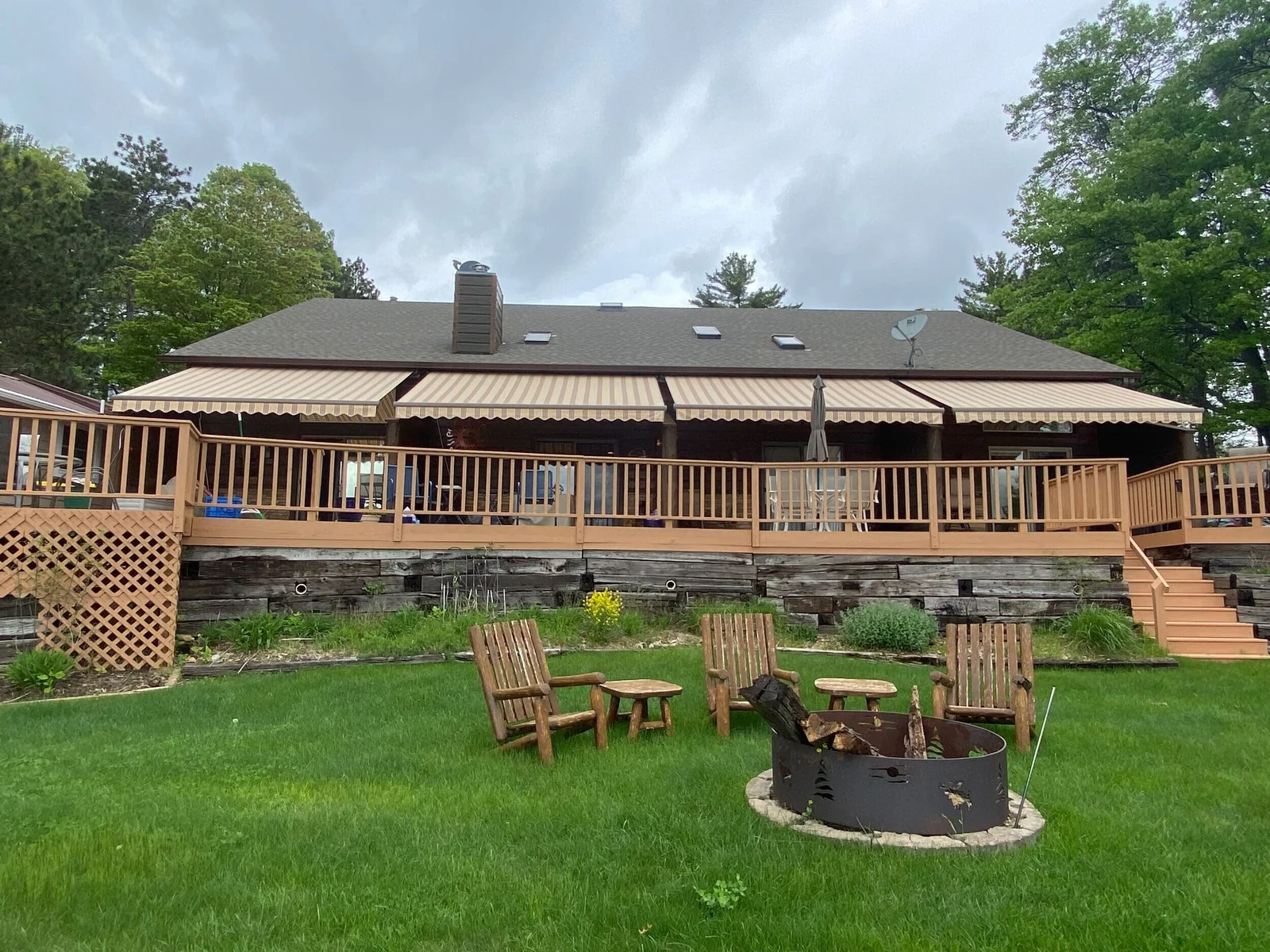
The most common shade options homeowners ask about:
- Retractable awnings: Extend for shade during peak sun, retract when you want full light back
- Fixed awnings or overhangs: Permanent shade over south- or west-facing glass that takes the most direct sun
- Exterior solar screens: Mesh panels that block a meaningful percentage of solar heat before it hits the glass
- Interior shades and blinds: The most affordable option, though it manages glare more than heat
- Landscaping and structural shading: Trees, pergolas, or roof overhangs designed in from the start
When a Shade Product Actually Makes Sense
Not every sunroom needs one. It’s worth adding when:
- Your glass faces south or west: Where direct afternoon sun is the strongest
- The PTAC is working overtime in summer: A sign the room is taking on more solar heat than the glazing alone can offset
- Glare is a daily annoyance: Rather than a heat problem, which points more toward interior shades
- You want the room bright in winter, shaded in summer: A retractable awning gives you both without a permanent trade-off
Pairing Shade With the Right Glazing
The most effective approach is to solve for glare and heat together, not separately as quality Low-E glazing does the baseline work, and a well-placed awning or shade product handles what direct sun still gets through. At Signature Sunrooms by Allan Dorney Construction, we’ll talk through your room’s orientation and typical sun exposure before recommending whether a shade product is worth adding, or whether the glazing alone will do the job. Ask about awnings and shade options as part of your sunroom planning.